The Number I Used to Mumble: A Month of Quoting Without the Apology
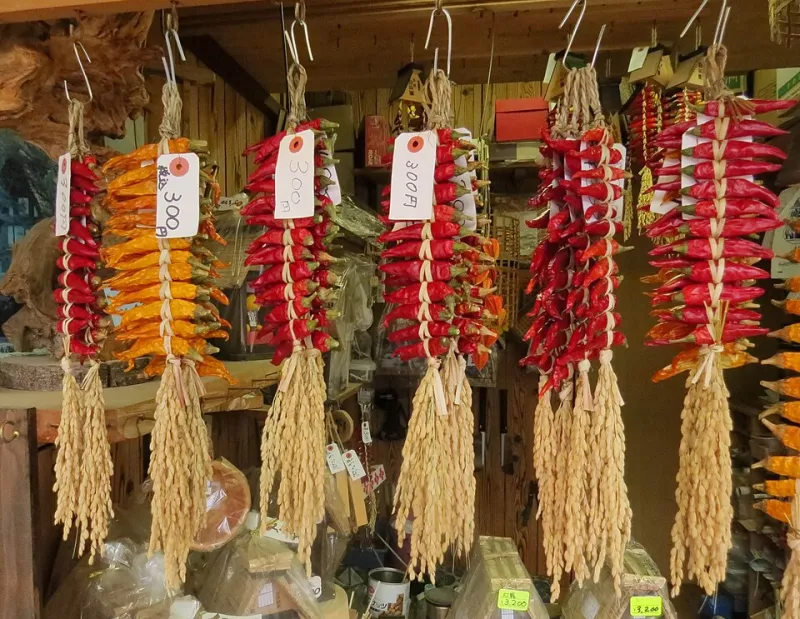
Photo: Doug Knuth from Woodstock, IL, CC BY-SA 2.0, via Wikimedia Commons
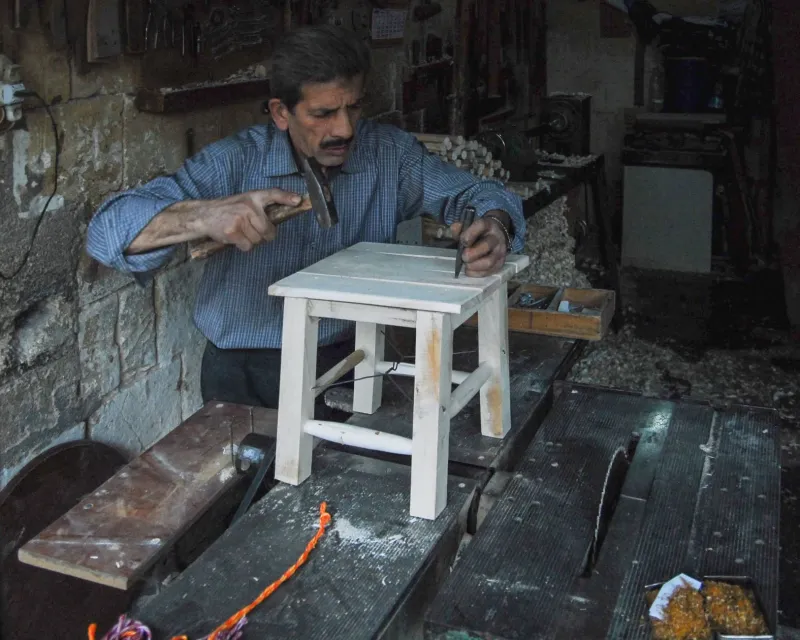
For years my prices came out like questions. A small repair, a handmade shelf, a bit of finishing work, and I would hear myself say a number and then immediately soften it with a laugh, a discount, or a promise to knock something off if it took less time than expected. The number was never the problem. The apology around it was.
So I set myself a four-week experiment. Every quote would go out in writing. The price would be the first thing I was clear about, not the last thing I mumbled. No pre-emptive discount. No free delivery slipped in to make the email friendlier. No sentence beginning with I know it sounds like a lot, but. Just the number, what it included, and when I could do it.
This was not a business masterclass. I am not here to tell you I tripled my income or found the secret to pricing. I am here because I wanted to know what would happen if I stopped treating my own time as the discount.
The First Quote Was the Hardest
The first proper test was a small oak shelf for a neighbour of a friend. Nothing complicated: two brackets, a bit of planing, a finish, and a morning I would not get back. My old instinct said forty quid and a bit of chat. I wrote eighty-five.
Then I deleted the paragraph where I explained why it was eighty-five. Then I deleted the line offering to do it for less if they collected. Then I read the email four times and sent it before I could add a small joke to take the edge off.
The reply came the next morning. Yes, that sounds fair. Can I pay a deposit?
I sat there feeling oddly exposed. Not because the price was outrageous, but because I had spent years acting as if my prices needed defending. They did not. The work needed doing, the number was honest, and the buyer understood that better than I did.
What the Apology Tax Was Costing Me
I started keeping a note of every quote and every reaction. By the end of the month I had sent eleven. Three were accepted straight away. Two led to a conversation about scope. Three went quiet. Two said it was more than they expected. One asked if I could do it cheaper if they supplied the materials.
Those numbers are not dramatic, but the pattern was. The quotes I sent without apology got clearer replies. The ones where I had once bundled in free extras or offered a vague maybe we can work something out produced more back-and-forth. People can smell uncertainty. If I flinched at my own number, they flinched too.
I began calling it the apology tax: the little extras I used to give away to make myself feel less awkward. A free offcut here. A Saturday delivery there. A discount for a job I had already underpriced. It looked like generosity. Mostly it was fear with a receipt.
The Silences Are Data, Not Verdicts
At a Saturday market I put a small stack of folded card price tags next to the work. Proper tags, written in pen, with the number facing out. I had done this before, but usually I angled them away and hoped nobody would ask.
One woman picked up a little ash tray I had made from an offcut. She looked at the tag, looked at the grain, and put it down. I used to chase that moment with a sentence like I can do it a bit cheaper if you like. This time I said nothing. She came back twenty minutes later and bought it.
Someone else asked why a repaired lamp was thirty pounds when a new one was fifteen. I said the new one was fifteen, and this one was already working. They laughed, put it down, and moved on. That used to feel like a verdict on my worth. Now it feels like information. They wanted a cheap lamp. I was not selling one.
Repairs Are Not a Favour
I have done my share of repair café Saturdays, and I like them for what they are: a help, not a shop. But somewhere along the way I let that volunteer logic leak into paid work. A rewire became a favour with a few quid attached. A tricky hinge became a lesson in how to lose an afternoon politely.
During the four weeks I quoted thirty pounds for a simple lamp rewire, plus parts. The owner said they could buy a new one for less. I agreed. That was not a reason to lower the price; it was a reason the job was not for them.
Small work is still work. It still takes a morning, a bench, a cup of tea, and the part of my brain that checks whether the thing will be safe when it leaves. The fact that it is small does not make it free. It just makes it easy to undercharge.
The Awkward Conversations Did Not Kill Me
There were two proper awkward moments. One was a haggle at the market. I said the price was on the tag. They asked if I could do better. I said not today, and smiled. It felt rude for about six seconds. Then it felt normal.
The other was an email from someone who wanted a mate's rate. I wrote back saying I do not really have a mate's rate, I have a rate, and I would be glad to do the work at that. They did not reply. I survived.
What I noticed most was that the awkwardness was shorter than the resentment. Undercharging used to sit with me for days. A clear no, or a clear silence, was over by teatime.
What I Am Keeping
I am keeping the written quote. I am keeping the sentence that says what is included and what is not. I am keeping the deposit, and the delivery charge that is not hidden in the price like a secret. I am keeping the small gap between the number and the apology. That gap is where the work lives.
I did not make more money every week. I made fewer jobs, better ones, and I spent less time feeling quietly annoyed at myself. That is not a triumph, but it is a start.
A price tag is not a confession. It is a sentence. I am still learning to say it without the question mark at the end.