Five Ticks and a Rubber: The Month My Workshop Guests Chose the Work
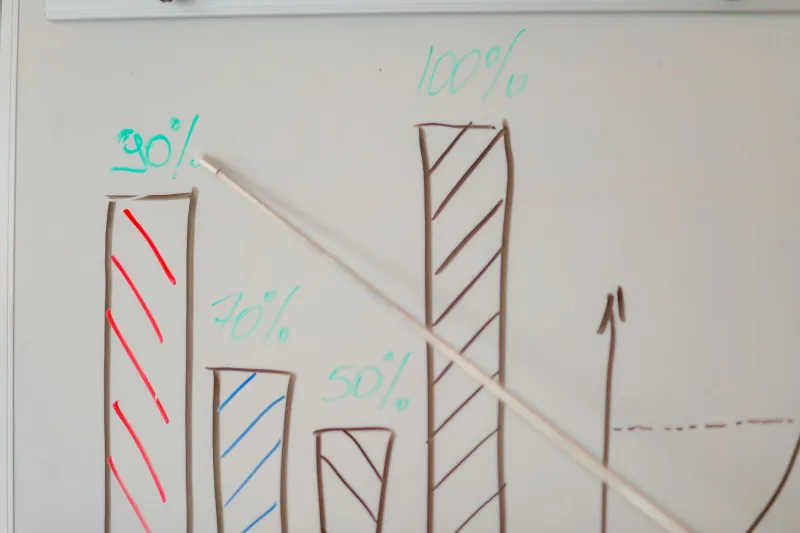
I didn’t set out to run a focus group in my own shed. It started because I had five half-ideas pinned to the wall and a growing suspicion that I was avoiding all of them. So I bought a small whiteboard from the stationers, screwed it to the wall by the door, and wrote five options in marker pen. Then I left a biro on a bit of string and asked every visitor to put one tick beside the project they’d most like to see finished.
The rules were simple. One tick per person. No campaigning from me. No explaining which one was cleverest, cheapest or most likely to end up in a magazine. I kept a tally in a notebook and promised myself I’d start the winner first, even if it wasn’t the one I fancied.
The five candidates
The list changed once, early on, but mostly it stayed put: a rebuilt kitchen stool, a hand-drawn map of the local footpaths, a plywood toolbox, a painted sign for the village hall, and a small shelf for a neighbour’s record player. Nothing grand. Nothing that needed a new machine or a weekend on YouTube. That was deliberate. I wanted the vote to be about desire, not about what sounded impressive down the pub.
What I hadn’t expected was how seriously people took it. The first visitor, a friend who’d come round to return a ladder, spent a full minute reading the board. He asked whether the stool was for sitting on or just for looking at. When I said sitting on, he ticked the stool and told me the map sounded like homework. Fair enough.
How people actually chose
The delivery driver ticked the village hall sign because, in his words, ‘you can see a sign from the road.’ A neighbour ticked the shelf because she could picture it in her front room. My nephew ticked the toolbox because it had the word ‘tool’ in it, which I respect. One person ticked the map and then admitted she probably wouldn’t use it, but she liked the idea of it existing. That was the most honest answer of the month.
The tally wasn’t a landslide. The stool won by two ticks, with the sign close behind. The map came third and the toolbox fourth. The shelf got one vote, from the neighbour whose record player it was for, which felt like a fix until I remembered that she was the only person who actually needed it.
What struck me was how often people chose the thing they could imagine using, holding or walking past. The map was the most impressive idea on the board. It sounded like the sort of thing that gets shared online. But it was also the one that required the most decisions I hadn’t made yet: which paths, what scale, how much detail, whether to include the pub. The stool needed sanding, glue and a bit of patience. The sign needed paint and a dry afternoon. The map needed a small act of cartography and a lot of nerve.
The gap between impressive and made
I started the stool on the first Saturday after the vote. It took two afternoons and most of a tin of danish oil. It is not a beautiful object. The legs are slightly different thicknesses because I was working from reclaimed timber, and the seat has a knot in it that I’ve decided to call character. But it got made. It is currently by the back door, holding a bag of potatoes and a pair of gardening gloves.
The map is still on the list. I’ve bought the paper. I’ve looked at the Ordnance Survey app. I’ve sharpened a pencil. That’s as far as it’s got, and I’m not going to pretend otherwise. The whiteboard didn’t magically solve my tendency to admire ambitious ideas from a safe distance. It just made the gap between impressive and made a bit more visible, which is probably the most useful thing a cheap whiteboard can do.
A few people asked me afterwards whether I felt odd handing over the decision. I didn’t, really. It wasn’t a referendum on my taste. It was more like asking someone to hold the other end of a tape measure. They could see the distance better than I could because they weren’t standing inside my head, surrounded by my own reasons for delaying things.
What I’d do differently
Next time I’d add a line under the five options: ‘What would you actually use?’ Not what sounds good, not what would look nice on a shelf, but what would earn its place. I think that would have pushed the map further down and the shelf further up, and I’d have learned something more useful about the people who bother to walk into my workshop.
I’ve kept the whiteboard by the door. The list has changed. There’s a coat hook, a repaired lamp and a small box for the car boot. The biro is still on the string. If you visit, you get one tick. No campaigning. No explaining. Just don’t ask me to make the map first. I’m still working up to it.