A Ten-Minute Walk Is a Supply Chain: Four Weeks of Making Local
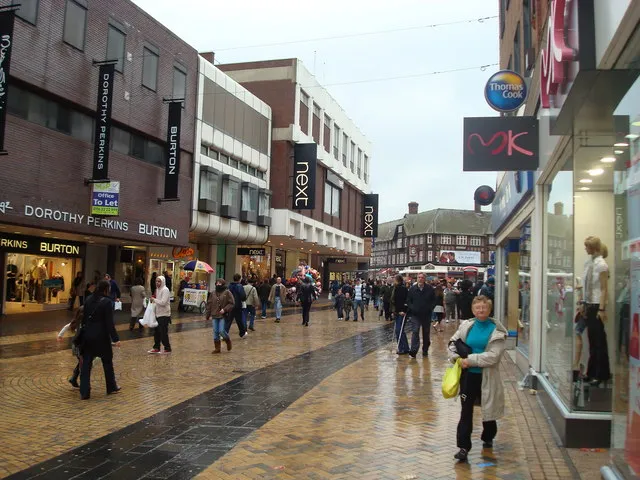
Photo: Stacey Harris, CC BY-SA 2.0, via Wikimedia Commons
For four weeks this October, I made things under a rule that sounded sensible on paper: every material, tool, favour and pair of hands had to live within one mile of my front door. No online orders. No driving to the retail park. No leaning on a mate who lives across town. If it lived outside the circle, it was out.
I drew the radius on a scrap of paper and pinned it above the bench. It took in the high street, the library, two charity shops, a timber yard, the allotments, a pub with a back room, and a handful of neighbours who probably did not know they were part of an experiment. It did not take in the big DIY shed, the industrial estate, or the friend with the pillar drill. That was the point.
The rule, and the first awkward Saturday
I started with a list that felt very reasonable: a length of ash, a box of screws, a hinge, a small pot of finish. By ten in the morning I had learned the difference between what I need and what I can get. The screws were easy. The hinge was not. The ash involved a phone call to the timber yard, a walk, a chat, and a wait while someone looked in the back. I came home with a plank and the name of a retired joiner.
Carrying a length of timber along the pavement in the rain is a social event. Two people asked what I was building. One told me about a shed. That does not happen in a car park.
The first proper test was a kitchen chair with a wobble. I had planned to order a new bracket. Instead I walked to the bike shop, asked if they had any old metal offcuts, and came back with a piece the owner described as probably something. It was. The chair is still standing. I am not saying it is elegant. I am saying it is local.
What I actually made
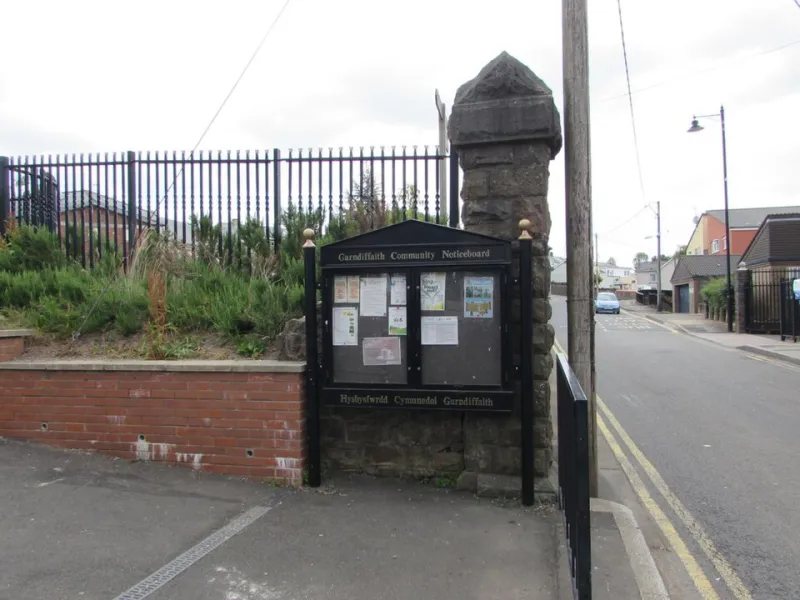
Over the month I made six things: a low stool from an ash offcut, a set of coat pegs from a scaffold board I was given, the repaired kitchen chair, a small noticeboard for the pub back room, a bird box from cedar scraps, and a lamp base from a charity-shop candlestick. None of them were urgent. All of them were made within a mile.
The stool was the best thing. It came from a plank that was slightly too short for the job I had in mind, which meant the job changed. That is not a disaster. It is a design decision made by the neighbourhood.
The borrow list got longer than the shopping list
Before the month, I thought local making would be about materials. It was mostly about people. I borrowed a pillar drill from a neighbour three doors down. I borrowed long clamps from the bike shop, which now has a small sideline in lending tools to people who ask nicely. I borrowed a sewing machine from the library lending scheme to run up a canvas tool roll. I borrowed a retired joiner for an afternoon. He did not want paying. He wanted a cup of tea and a look at the chair.
The awkward part was asking. The internet is very good at letting you avoid asking. You click, you pay, you wait, and nobody has to know what you are making or why. A one-mile radius makes asking unavoidable. It also makes refusal less awkward, because the person saying no is usually someone you will see again at the post office.
What the radius exposed
The high street is not a smaller version of the internet. It has no search bar, no next-day delivery and no reviews. It has opening hours, people who know things, and limited stock that forces decisions. I could not get the exact drill bit I wanted. I used a bradawl and a bit of patience. I could not get a particular finish. I used what the timber yard had and learned to like it.
Convenience did not vanish. It changed shape. Instead of clicking buy now, I walked, asked, waited and sometimes made do. I probably spent less money, but not because local is cheap. I spent less because I could not impulse-buy a solution at eleven at night.
Local skills are hidden in plain sight. The retired joiner knows more about chair joints than any video I have watched. The bike shop owner can look at a piece of metal and tell you what it will tolerate. The woman in the framing shop can cut a mount by eye. The radius did not just shorten the supply chain. It made the supply chain visible.
What I am keeping
The rule was meant to be a month-long experiment, and I am not keeping it forever. A one-mile radius is arbitrary, and there are things I need that do not live here. But I am keeping the local list: a page in the notebook with names, not URLs. I am keeping the habit of asking first. And I am keeping the memory of that first Saturday, standing in the rain with a plank, learning that the shortest route to a good idea is often a ten-minute walk and a slightly awkward conversation.