The Taped-Up Exercise Book: Four Weeks of Lending Out the Workshop
Photo: Dietmar Rabich, CC BY-SA 4.0, via Wikimedia Commons
At the start of October 2026 I taped a cheap exercise book to the inside of the workshop door and wrote four words at the top: Borrowed, By, Back, Notes. Then I told a handful of neighbours that if they needed a clamp, a spare saw, a ladder, or the odd bit of plumbing tackle, they should knock. Four weeks later the book was full, the shelf was thinner, and I had learned more about my street than I had in the previous four years.
The rules, such as they were
There were no rules, really. Just a ledger and a vague sense that this was not a library and not a free shop. If you wanted something, you asked, I said yes or no, and we wrote it down. The writing down was the only bit I was strict about. Not because I expected a crime wave, but because I have seen what happens to a shared shelf when nobody is counting. It becomes a rumour. Then it becomes a pile of unclaimed things in someone else's garage.
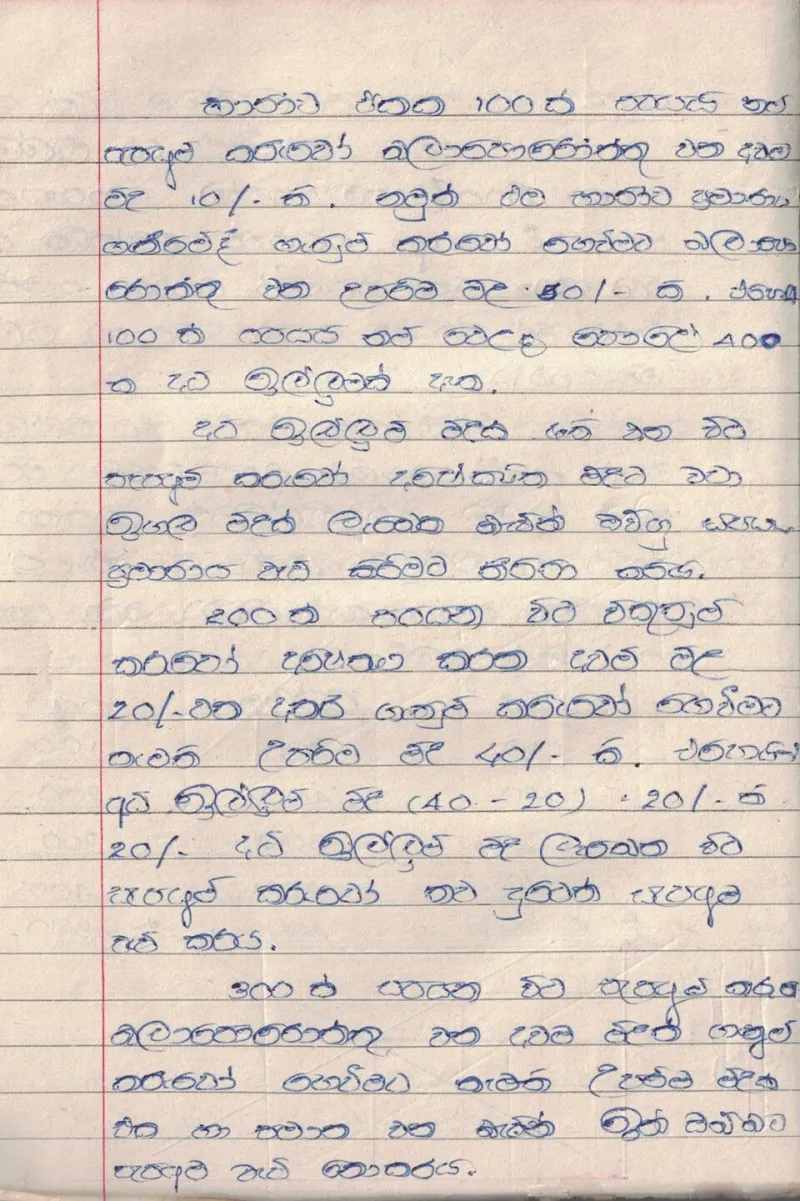
The book was plain: date, name, item, back by, notes. I kept a pencil tied to the door handle with garden twine. The twine lasted about nine days before someone replaced it with a better bit of string, which I chose to read as a good sign.
What came back
Most of it came back. That is the headline, and it is less boring than it sounds. Two F-clamps, a wrecking bar, a heat gun, a box of masonry bits, a ladder, a hand saw, and a small spirit level that I had forgotten I owned. The ladder returned with mud on the feet and a note saying, Sorry about the mud. Lovely ladder. The hand saw came back sharper than it went out, which was either a kindness or a hint.
A neighbour borrowed the heat gun for a stuck window and brought it back with a new nozzle. I had not asked for a new nozzle. I had not known the old nozzle was on its way out. That is the sort of thing that makes you think the system might work: not because everyone is perfect, but because most people are careful when they know they are being counted.
What came back changed
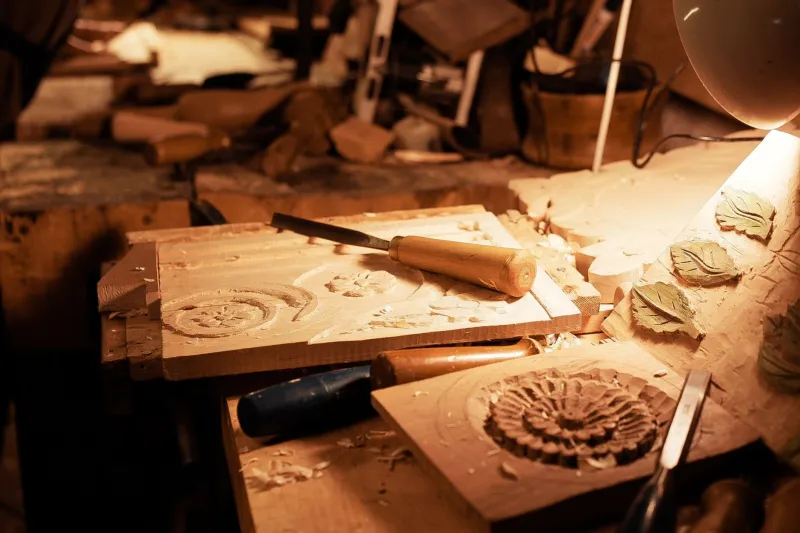
A 12mm chisel came back with a slightly rounded bevel and a story about a sticking door. I could have been annoyed. I was a bit annoyed. But the bevel was not ruined, just different, and the story was a good one. A clamp returned with one rubber foot missing and a packet of biscuits. The biscuits were not a fair trade. They were the right gesture.
The oddest return was a box of screws that came back fuller than it went out. I still do not know where they came from. I have decided not to investigate. Some ledger entries are better left as small mysteries.
The small friction of asking
The asking was the real experiment. One neighbour rang twice before knocking. Another said, I do not want to be a nuisance, four times in the first minute. The book helped with that. It turned a favour into a small transaction. Can I borrow your ladder became Can I put my name in the book. That sounds like a tiny shift, but it changed the temperature of the conversation. People were happier to ask when there was a procedure, even a tatty one.
I liked that. I liked that the ledger did the awkward bit for me. It also meant I could say no without it feeling like a judgement. No is easier when it is written next to a date and a reason. Not this one, I wrote beside the mitre saw when someone asked to take it for an indefinite period. They were fine about it. The saw stayed. The world did not end.
Generosity is not a free-for-all
This is the bit I keep coming back to. Lending is not the same as giving away. The ledger was not bureaucracy; it was a boundary that made generosity sustainable. Without it, I would have either said yes to everything and quietly resented it, or said no to everything and become the bloke with the padlock. Neither of those is useful.
The four weeks taught me that usefulness has a shape. It is not just a pile of tools behind a door. It is a shelf you are willing to thin out, a book you are willing to keep, and a willingness to have a slightly awkward conversation about a missing rubber foot. The difference between generosity and a free-for-all is not suspicion. It is a bit of structure and a pencil on a string.
What I would do differently
I would add a return date column that people actually fill in. I would note which things are consumables, because masonry bits disappear in a way that feels personal. And I would stop pretending that a £40 clamp is a trivial thing. It is not trivial to me, and it is not trivial to the person borrowing it. Writing down the replacement cost would make the whole thing more honest.
I would also lend more, not less. Four weeks was enough to prove that most people are careful and the odd missing foot is the price of living somewhere useful. The workshop is a bit emptier than it was in September, and better used. That is not a bad trade.
The exercise book is still taped inside the door. It has a tea ring on the cover and a page of names that reads like the village phone tree. I am keeping it. Not because I expect a rush of borrowers, but because it turns out the book was never really about the tools.