Twelve Strangers in a Back Room: What a Monthly Pub Film Night Taught Me About Ideas
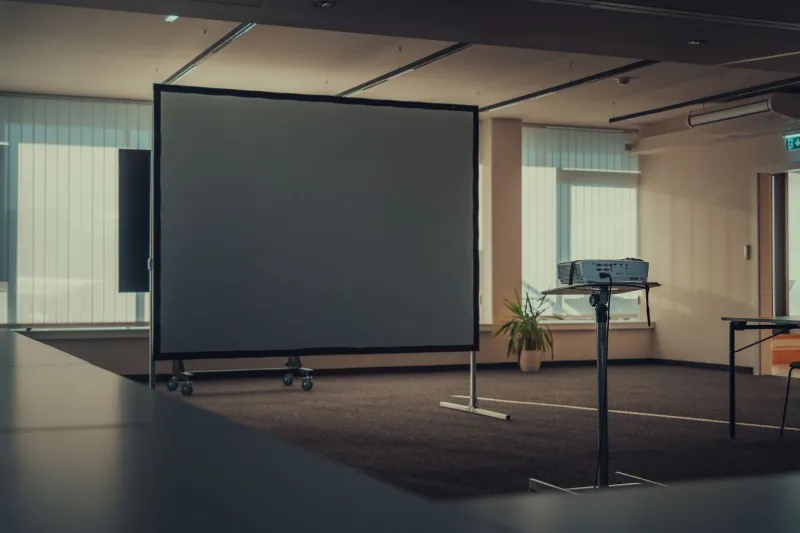
There is a pub near me with a function room upstairs that smells faintly of old carpet and chip fat. On the second Tuesday of every month it becomes a cinema. Twelve people if the weather is grim, twenty-five if the football has been moved. A projector I bought secondhand for £180 from a man in Sheffield. A screen that came free with a job lot of other tat. A tin of Roses on the table by the door, which started as a one-off and is now tradition nobody is allowed to question.
I started the night because I was tired of making things and posting them into a void. I wanted to be in a room with people when the thing happened. What I got was a monthly reminder that a small live audience is a far more honest test of an idea than anything with an analytics dashboard attached to it.
Picking films people actually turn up for
The first rule I learned the hard way: programme the film three people will drag a friend to, not the film you personally love most. My opening night was a bleak Hungarian drama I thought was a masterpiece. Nine people said they were coming. Three came, and one of them left at the hour mark to get chips.
Now I work to a few rules. Nothing over a hundred minutes. A short before the feature, because it gives the room something to talk about in the interval and makes the whole evening feel like an event rather than a screening. A local hook wherever possible — a documentary about a chip shop in a neighbouring town, a film shot twenty minutes up the road. And nothing that requires homework. If you need to have read the book, seen the sequel, or know who the director's influences are, it goes in the no pile.
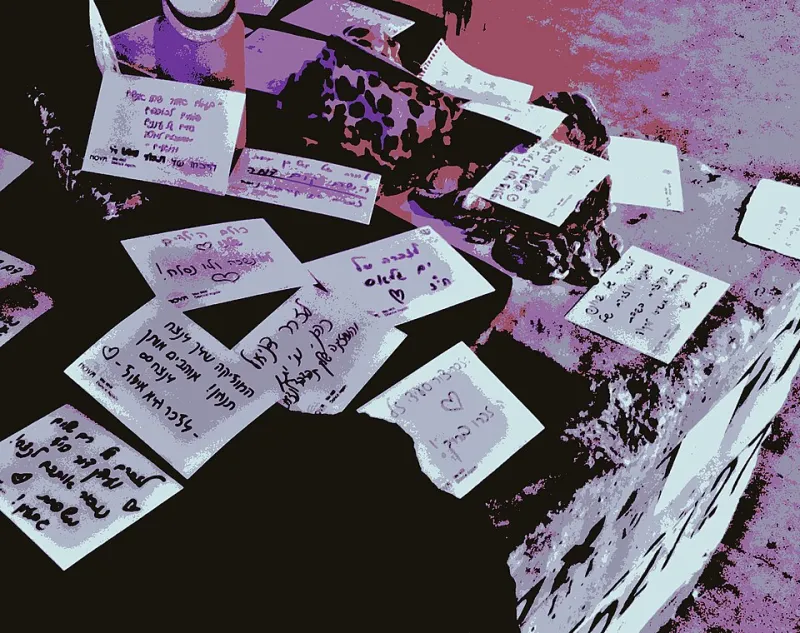
At the end of every night there is a bit of paper by the door and people write down what they want next month. I ignore about half of it. The other half has been more useful than any audience research I have ever done.
Making a room feel deliberate
Here is the thing nobody tells you about running a small event: the room is the product. The film is what's on, but the room is why people come back.
So the lights go down properly, not to a drowsy half-glow. The door gets closed at the start, even if that means a latecomer has to knock. Phones get a polite mention at the top and then never again, because nagging makes people feel like they are at school. I stand at the door and say hello to everyone, which sounds obvious and is the single thing most often skipped by people running little nights.
Chairs in rows, but not too tidy. An interval of twenty minutes, which is always longer than I think it should be and always exactly right. Drinks allowed. Coats on the back of chairs. The room has to look like somebody meant it, even if that somebody is just a bloke with a projector and a bag of extension leads.
Promoting it with no budget at all
I have no marketing budget. What I have is an A5 printer, a laminator, and a decent relationship with the people behind the counter at the library and the record shop.
One post a month in the local Facebook group, not five. A message in the WhatsApp group, which is now sixty people and grew entirely by somebody bringing somebody. A handwritten board in the pub. And the thing that actually works: asking the twenty people who came last month to bring one person this month. That is it. Twenty people who come back beat two thousand impressions, every single time.
What an audience of twelve can tell you
When you post something online, the silence is ambiguous. Nobody watched it, or everybody watched it and had nothing to say, or the algorithm ate it. You can tell yourself any story you like.
Twelve people in a room is not ambiguous. You can see the exact moment you lose them. You can hear the laugh that doesn't come at the joke you were banking on. You can watch somebody check their watch and know precisely which minute it happened. When four people turn up on a wet Tuesday in February, that is information. It might mean the idea is wrong, or it might mean the promotion is wrong, but it is never nothing.
The other thing an audience of twelve gives you is the sound of a room agreeing. I have never once felt that from a comment section.
What I took back to my own work
I now show things to real people much earlier, and at much rougher stages, and in much smaller quantities. Four people around a kitchen table, a half-finished thing on a laptop, no preamble and no slides. It is unglamorous and it has saved me months.
I say yes when somebody invites me to a small room. I have stopped polishing the banner before the thing exists. And I have accepted that the honest test of anything I make is not how it performs when it is finished and launched and dressed up — it is how it feels when twelve strangers are sitting in a slightly smelly room and deciding, quietly, whether to come back next month.
They mostly come back. That is worth more than a spike on any graph.